SSPC
Making complex pharmaceutical research easier to navigate and use
- Year
- 2020
- Industry
- Education & Research
- Scope
- Website Design
- Timeline
- 4 months
- Archive
- 8 published artefacts

Starting condition
One research centre had to welcome non-specialists without frustrating people who already understood the science in depth.
PhD candidates, academics, funders, biotech companies and multinational partners each needed a credible route into SSPC's work. The existing body of material covered research pillars, technologies, accreditations and collaboration opportunities, but those relationships needed a structure visitors could follow. The challenge was to reduce organisational complexity at the interface while keeping terminology and scientific meaning accurate for expert audiences.
Summary
- Business condition
- One research centre had to welcome non-specialists without frustrating people who already understood the science in depth.
- Organizing decision
- An audience-led research hub connects disciplines, resources and partnership information without flattening the science.
- Studio contribution
- Information Architecture & Web Development
- What you can inspect
- The work, and the decisions behind it.
Selected detail from the project.
The sequence moves from the lead expression into interface, content and implementation detail. Every imported image remains available in the complete project archive below.



View the full image set4 more images
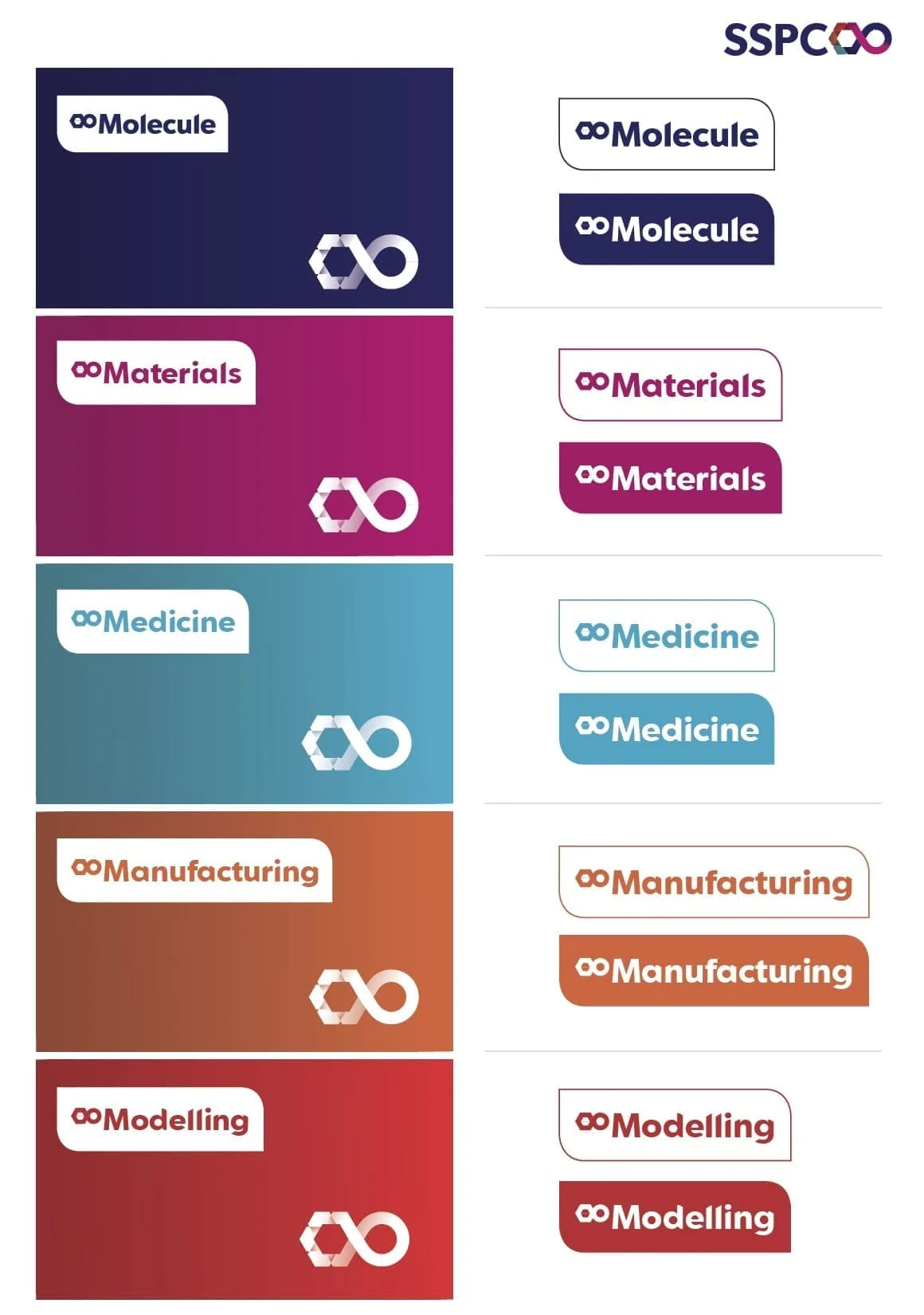

Design response
An audience-led research hub connects disciplines, resources and partnership information without flattening the science.
Information architecture, interface design and development reorganised material around research intent rather than internal ownership alone. Visitors can move into industry solutions, academic disciplines, news, events and research outputs through related pathways. The hierarchy makes SSPC's authority visible while supporting recruitment, funding, research discovery and commercial collaboration, giving each audience enough context to continue without forcing every user through the same route.
Published process
Content relationships were mapped with students, funding bodies, researchers and industry visitors in mind.
We audited the material, defined a practical taxonomy and tested navigation labels against the language different audiences use. Dense scientific content received more breathing room through typography, layout and selective data visualisation. Development prioritised responsive performance, accessibility and speed so the platform could serve an international audience, while the structure remained grounded in user questions rather than the centre's internal organisation chart.
System delivered
Evidence standard
Published work, with its source.
This profile carries the complete published project image set and identifies its source. Commercial results and third-party endorsements appear only when their source and publication status are clear.
Original published case record